Mandai Wildlife Reserve - Bird Paradise
20 Mandai Lake Road, (S) 729825
Plant selection was stringent to include only species that could adapt and thrive in confined environments. The selected species possessed characteristics that allowed them to grow in shallow or deep cracks and exhibit creeping growth patterns.
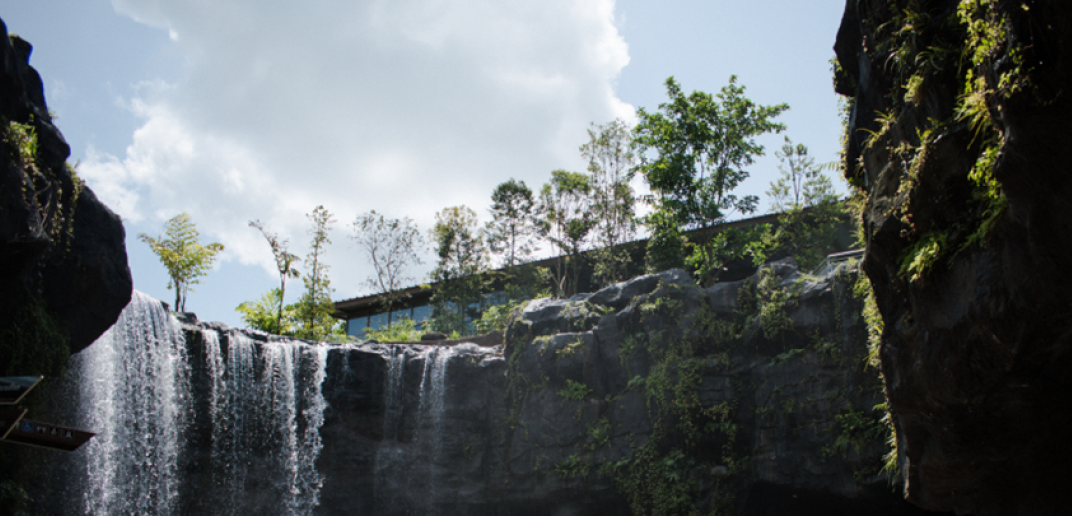
Nestled within the Mandai Wildlife Reserve, the newly opened Bird Paradise is Asia’s largest bird park spanning 17 hectares, providing a sanctuary for an impressive array of 3,500 birds from 400 species. Designed to invoke exploration at every corner, Bird Paradise invites visitors to embark on a captivating journey through eight walk-through aviaries that reflect different biomes across the globe as well as several other unique experiences including Penguin Cove, Sky Amphitheatre and Winged Sanctuary.
To resemble a wildlife setting and maintain the wild and natural ambience of Bird Paradise, the landscape planting of a total of 597.21m² consisting of 32 different plant species across the entrance waterfall, Penguin Cove and cavern waterfall was meticulously designed to match the rock formation envisioned by the architects. Indentations were made on the cement structure, forming cracks that would mimic the shape of real rocks. These cracks varied in depth, resulting in unique small pockets and irregular shapes that differed from the original drawings and actual site installation. Given the limited space within the indentations and cracks of the rocks, traditional planter boxes could not be used. Instead, GWS used Gaia Mat™, a soilless planting medium that also eliminated concerns of soil particles staining the rocks and walls.
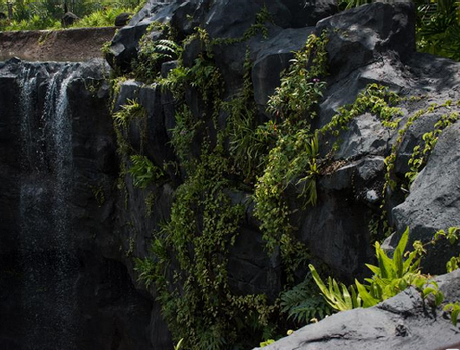
Instead of traditional planter boxes, a soiless planting medium was placed in crevices and cracks between the rocks to support the vegetation. This system allowed the plants to adapt and grow within the cracks, minimising water usage compared to conventional soil-based systems.
The use of Gaia Mat™ and the absence of traditional planter boxes showcased a commitment to eco-friendlier practices. This system allowed the plants to adapt and grow within the cracks, minimising water usage compared to conventional soil-based systems. Once the plants take root, they naturally create their adhesive properties, firmly anchoring themselves to the rocks. This eliminates the risk of water wastage as well as resource extraction and transportation costs associated with soil or planter box production.
Plant selection was stringent to include only species that could adapt and thrive in confined environments. The selected species possessed characteristics that allowed them to grow in shallow or deep cracks and exhibit creeping growth patterns. Additionally, they were resilient, capable of withstanding harsh conditions and required minimal water. To ensure a cohesive and natural setting throughout, Cyanotis species, Moss and Cayratia Trifolia were primarily used for the crack areas.
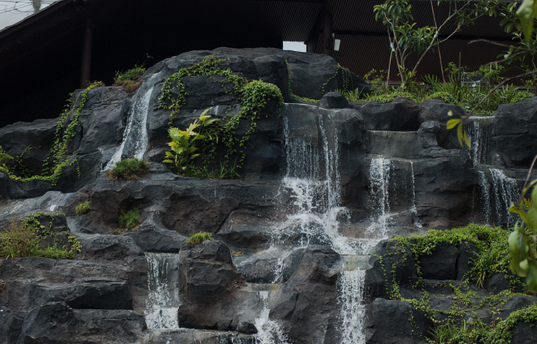
Together with an implementation of a three-month stabilisation period in Singapore to ensure optimal plant health, the soilless system offers better control over pests and diseases. It reduces the risk of soil-borne pathogens, minimising the environmental impact and usage of chemical pesticides.
Building Owner: Mandai Wildlife Reserve
Landscape Implementer: GWS Living Art Pte Ltd